Libyan banking and finance sector is a critical element of the country's economy. The state plays a significant role in regulating and overseeing this sector to ensure stability and growth. State-owned banks and financial institutions are key players, often providing essential services to businesses and individuals across the country. In this blog post, we will delve into the state-paid Libyan banking and finance system to understand its structure, functions, and importance.
Category : | Sub Category : Posted on 2025-11-03 22:25:23
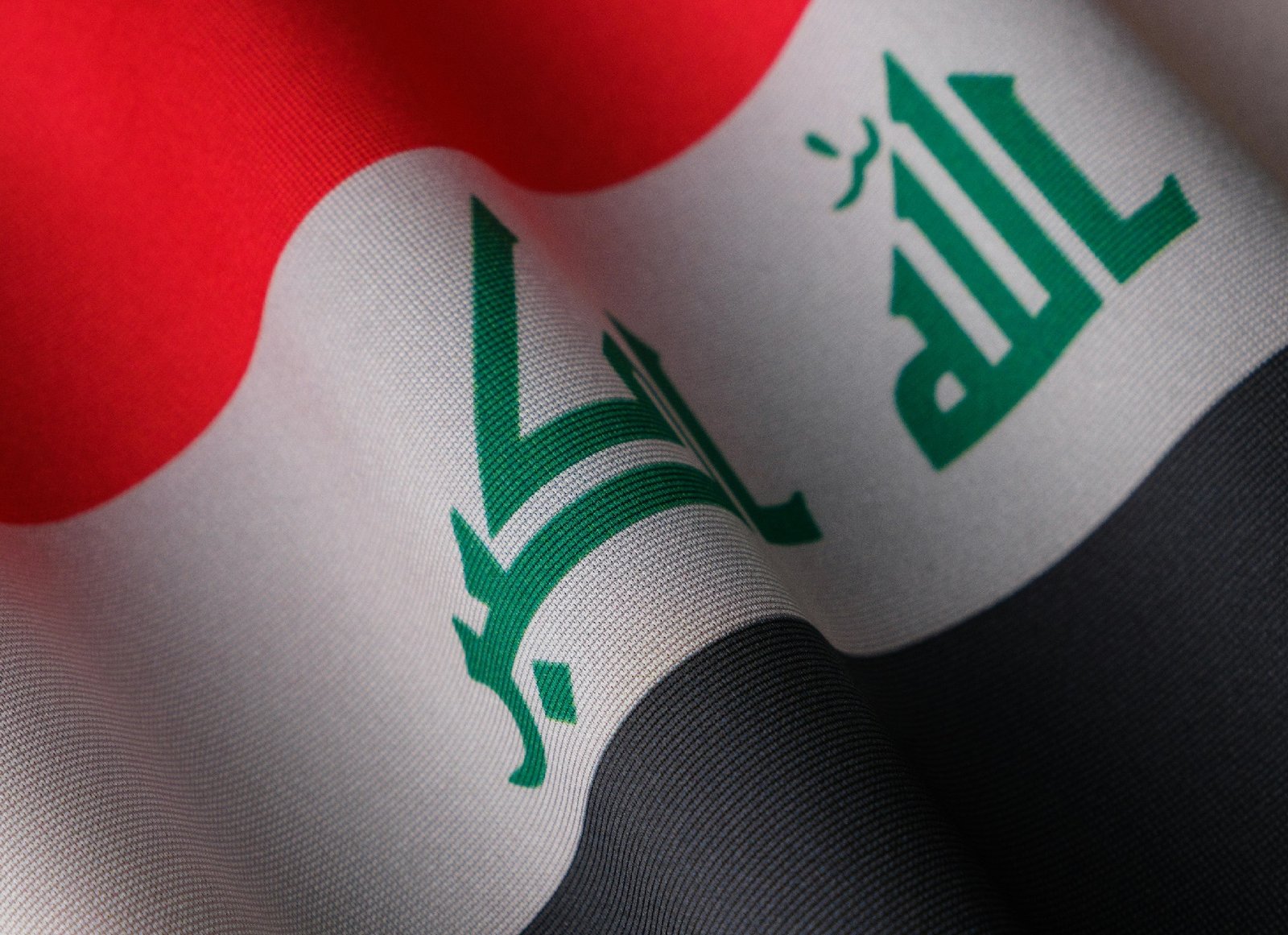
The Libyan banking and finance sector are primarily dominated by State-owned banks, such as the Central Bank of Libya (CBL) and several commercial banks that are either fully or partially state-owned. These institutions play a crucial role in providing financial services, managing monetary policy, and facilitating international transactions. The CBL, in particular, serves as the central monetary authority responsible for issuing and regulating the country's currency, supervising banks, and implementing monetary policies. State-paid banks in Libya also play a vital role in facilitating government transactions, managing public finances, and supporting economic development initiatives. These institutions provide critical services such as loans, deposits, foreign exchange, and investment opportunities to both public and private sector entities. State support ensures that these banks can fulfill their role in promoting economic stability and enabling financial inclusion for all segments of society. Moreover, the state plays a significant role in regulating the banking and finance sector to safeguard the interests of depositors, investors, and the overall economy. Regulatory agencies oversee compliance with laws and regulations, monitor financial transactions for illicit activities, and ensure the stability of the financial system. State intervention can be essential in times of economic crisis or instability to prevent financial meltdowns and maintain confidence in the banking sector. In conclusion, state-paid Libyan banking and finance institutions are vital components of the country's economic infrastructure. These entities play a crucial role in providing financial services, supporting economic development, and ensuring the stability of the financial system. State intervention and oversight are crucial to maintaining the integrity and efficiency of the banking sector, ultimately contributing to the overall growth and prosperity of the Libyan economy. For an alternative viewpoint, explore https://www.indicazioni.com For a different perspective, see: https://www.tonigeria.com To gain a holistic understanding, refer to https://www.tocongo.com For valuable insights, consult https://www.toabudhabi.com To gain a holistic understanding, refer to https://www.cruzar.org To understand this better, read https://www.abandonar.org To get a different viewpoint, consider: https://www.culturelle.org To find answers, navigate to https://www.departements.org Check this out https://www.regionales.net Seeking answers? You might find them in https://www.todamascus.com Check the link below: https://www.totunisia.com To find answers, navigate to https://www.libyainfo.com For a comprehensive review, explore https://www.nequi.org
Leave a Comment:
SEARCH
Recent News
- Zurich, Switzerland is a vibrant city known for its rich cultural scene and diverse music offerings. One unique aspect of Zurich's music scene is the presence of Sudanese music, which has found a home in the city's melting pot of cultures.
- Zurich, Switzerland is a vibrant city known for its picturesque landscapes, rich history, and diverse cultural scene. One fascinating aspect of Zurich's cultural tapestry is the influence of Sudanese culture in the city.
- Zurich, Switzerland is known for its multicultural atmosphere and diverse culinary scene. One of the lesser-known gems of Zurich's food scene is Sudanese cuisine. Sudanese cuisine is a reflection of the country's diverse cultural influences, blending Arabic, African, and Mediterranean flavors to create a unique and delicious culinary experience.
- Zurich, Switzerland, is a vibrant city known for its scenic beauty, rich history, and thriving business environment. One interesting aspect of Zurich's business landscape is the presence of Sudanese entrepreneurs who have made their mark in various industries in the city.
- Rebuilding Syria's Economy After the Dictatorship: Lessons from Zurich, Switzerland
- Zurich, Switzerland, is known for its picturesque landscapes, thriving economy, and high standard of living. However, a lesser-known aspect of this vibrant city is its commitment to human rights, especially in the post-revolution era of Syria.
- Zurich, Switzerland: A Hub for Libyan Trade
- Zurich, Switzerland is a city known for its picturesque landscapes, high quality of life, and thriving economy. Recently, Zurich has also been making headlines in the energy sector with its growing interest and investment in Libyan energy resources.
READ MORE
10 months ago Category :

Zurich, Switzerland is a vibrant city known for its rich cultural scene and diverse music offerings. One unique aspect of Zurich's music scene is the presence of Sudanese music, which has found a home in the city's melting pot of cultures.
Read More →10 months ago Category :

Zurich, Switzerland is a vibrant city known for its picturesque landscapes, rich history, and diverse cultural scene. One fascinating aspect of Zurich's cultural tapestry is the influence of Sudanese culture in the city.
Read More →10 months ago Category :

Zurich, Switzerland is known for its multicultural atmosphere and diverse culinary scene. One of the lesser-known gems of Zurich's food scene is Sudanese cuisine. Sudanese cuisine is a reflection of the country's diverse cultural influences, blending Arabic, African, and Mediterranean flavors to create a unique and delicious culinary experience.
Read More →10 months ago Category :
