Libyan Banking and Finance: A Comparison to other Arab Countries
Category : | Sub Category : Posted on 2025-11-03 22:25:23
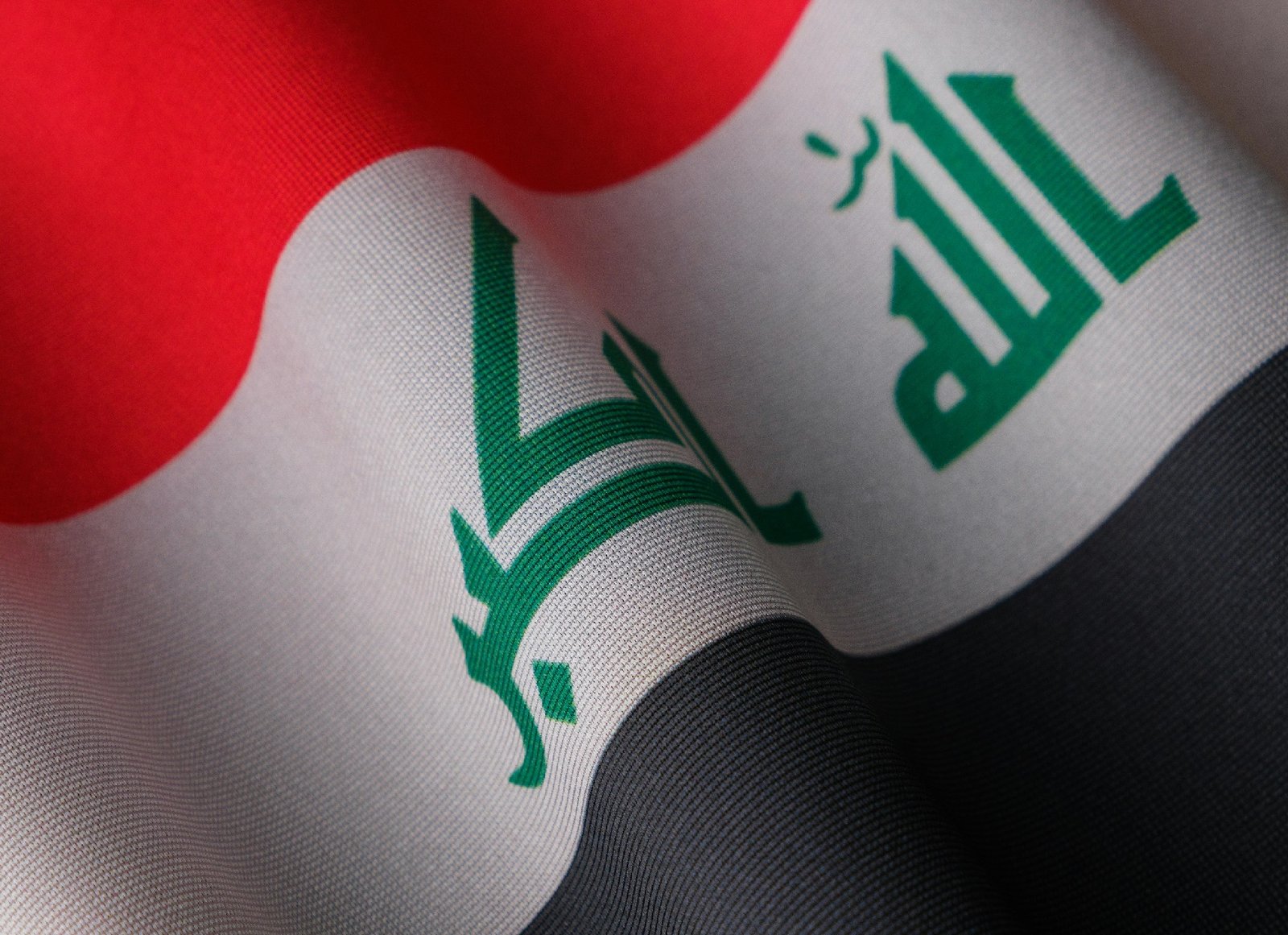
Libya's banking and finance sector have undergone significant changes in recent years, positioning itself as a key player in the region. The country boasts a robust banking system with several state-owned and private banks catering to a growing economy. In this blog post, we will compare Libyan banking and finance with other Arab countries to understand its similarities and differences. One of the key similarities between Libyan banking and finance and other Arab countries is the emphasis on Islamic banking principles. Sharia-compliant banking has gained popularity across the region, with many financial institutions offering Islamic products and services to cater to the Muslim population's needs. Libya has also embraced Islamic banking, with several banks offering Sharia-compliant products to their customers. Another similarity is the regulatory framework governing the banking and finance sector in Libya and other Arab countries. Central banks play a crucial role in overseeing the financial system, ensuring stability and compliance with regulations. The Central Bank of Libya is responsible for regulating the country's monetary policy, supervising financial institutions, and maintaining the stability of the financial system. Furthermore, like other Arab countries, Libya has been investing in financial technology (fintech) to modernize its banking sector and offer innovative services to customers. Fintech solutions such as mobile banking, digital payments, and online banking have become increasingly popular in the region, providing customers with convenient and secure ways to manage their finances. Despite these similarities, there are also differences between Libyan banking and finance and other Arab countries. The ongoing political instability and security challenges in Libya have impacted the country's economy, affecting the banking sector's growth and stability. Other Arab countries with more stable political environments have seen greater progress in their banking and finance sectors. In conclusion, Libyan banking and finance share commonalities with other Arab countries in terms of Islamic banking principles, regulatory frameworks, and fintech adoption. However, the country's political instability sets it apart from its regional counterparts and presents unique challenges for the sector's development. By addressing these challenges and leveraging its strengths, Libya can further enhance its banking and finance sector and contribute to the region's economic growth. You can also check following website for more information about this subject: https://www.indicazioni.com for more https://www.tonigeria.com For an in-depth analysis, I recommend reading https://www.tocongo.com For an alternative viewpoint, explore https://www.toabudhabi.com Seeking answers? You might find them in https://www.cruzar.org also for more https://www.abandonar.org To find answers, navigate to https://www.culturelle.org Visit the following website https://www.departements.org Want to expand your knowledge? Start with https://www.regionales.net also for More in https://www.todamascus.com For an in-depth examination, refer to https://www.totunisia.com To get more information check: https://www.libyainfo.com If you're interested in this topic, I suggest reading https://www.nequi.org
Leave a Comment:
SEARCH
Recent News
- Zurich, Switzerland is a vibrant city known for its rich cultural scene and diverse music offerings. One unique aspect of Zurich's music scene is the presence of Sudanese music, which has found a home in the city's melting pot of cultures.
- Zurich, Switzerland is a vibrant city known for its picturesque landscapes, rich history, and diverse cultural scene. One fascinating aspect of Zurich's cultural tapestry is the influence of Sudanese culture in the city.
- Zurich, Switzerland is known for its multicultural atmosphere and diverse culinary scene. One of the lesser-known gems of Zurich's food scene is Sudanese cuisine. Sudanese cuisine is a reflection of the country's diverse cultural influences, blending Arabic, African, and Mediterranean flavors to create a unique and delicious culinary experience.
- Zurich, Switzerland, is a vibrant city known for its scenic beauty, rich history, and thriving business environment. One interesting aspect of Zurich's business landscape is the presence of Sudanese entrepreneurs who have made their mark in various industries in the city.
- Rebuilding Syria's Economy After the Dictatorship: Lessons from Zurich, Switzerland
- Zurich, Switzerland, is known for its picturesque landscapes, thriving economy, and high standard of living. However, a lesser-known aspect of this vibrant city is its commitment to human rights, especially in the post-revolution era of Syria.
- Zurich, Switzerland: A Hub for Libyan Trade
- Zurich, Switzerland is a city known for its picturesque landscapes, high quality of life, and thriving economy. Recently, Zurich has also been making headlines in the energy sector with its growing interest and investment in Libyan energy resources.
READ MORE
10 months ago Category :

Zurich, Switzerland is a vibrant city known for its rich cultural scene and diverse music offerings. One unique aspect of Zurich's music scene is the presence of Sudanese music, which has found a home in the city's melting pot of cultures.
Read More →10 months ago Category :

Zurich, Switzerland is a vibrant city known for its picturesque landscapes, rich history, and diverse cultural scene. One fascinating aspect of Zurich's cultural tapestry is the influence of Sudanese culture in the city.
Read More →10 months ago Category :

Zurich, Switzerland is known for its multicultural atmosphere and diverse culinary scene. One of the lesser-known gems of Zurich's food scene is Sudanese cuisine. Sudanese cuisine is a reflection of the country's diverse cultural influences, blending Arabic, African, and Mediterranean flavors to create a unique and delicious culinary experience.
Read More →10 months ago Category :
