Libya, a country located in North Africa, has a rich cultural heritage that is reflected in its traditional clothing. The attire worn by the people of Libya is not just a fashion statement, but also a symbol of their history, customs, and way of life. Let's delve into the world of Libyan regional clothing and explore the unique styles and patterns that define this North African nation.
Category : | Sub Category : Posted on 2025-11-03 22:25:23
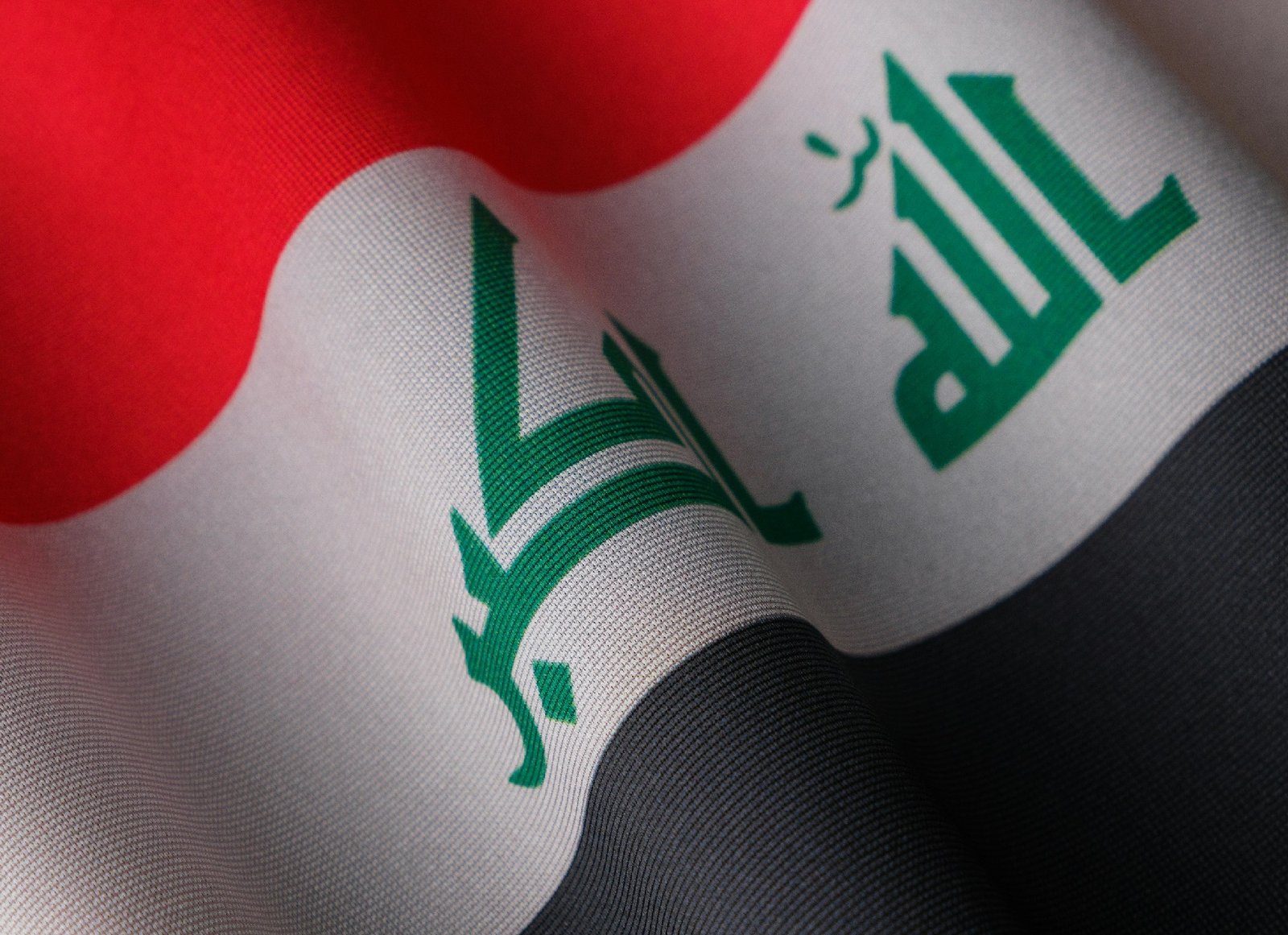
One of the most iconic pieces of traditional clothing in Libya is the "thobe," a long, loose-fitting robe that is worn by both men and women. The thobe is typically made from lightweight fabric, making it ideal for the hot and arid climate of the region. Men often pair their thobes with a headscarf known as a "gutra," while women may accessorize their thobes with colorful beaded necklaces and bracelets. In some regions of Libya, women wear a garment called a "sebiya," which is a skirt-like piece of clothing that is wrapped around the waist and secured with a belt. The sebiya is often adorned with intricate embroidery and mirrors, adding a touch of elegance to the wearer's outfit. Women may also wear a "tarha," a headscarf that is draped over the head and shoulders, providing both protection from the sun and a sense of modesty. Another traditional garment worn by Libyan women is the "libas," a long, flowing dress that is often brightly colored and embellished with geometric patterns. The libas is typically made from luxurious fabrics such as silk or chiffon, making it a popular choice for special occasions and celebrations. In addition to everyday attire, Libya also has a rich tradition of ceremonial clothing that is worn during weddings, festivals, and other important events. For example, the "takshita" is a formal dress worn by Libyan women for weddings, featuring elaborate embroidery and embellishments that showcase the wearer's wealth and social status. Overall, Libyan regional clothing reflects the country's diverse cultural heritage and serves as a visual representation of its vibrant traditions and customs. From the flowing thobes worn by men to the intricately embroidered libas worn by women, each garment tells a story of Libya's rich history and enduring traditions. As fashion trends evolve and modernity influences the way people dress, it is important to preserve and celebrate the timeless beauty of Libyan regional clothing for generations to come. Visit the following website https://www.cruzar.org To get more information check: https://www.abandonar.org also for more info https://www.culturelle.org If you're interested in this topic, I suggest reading https://www.savanne.org If you're interested in this topic, I suggest reading https://www.departements.org For an alternative viewpoint, explore https://www.regionales.net Dropy by for a visit at https://www.todamascus.com To understand this better, read https://www.totunisia.com To get all the details, go through https://www.tohonduras.com for more https://www.paraguayinfo.com For more information check: https://www.boliviainfo.com Visit the following website https://www.libyainfo.com
Leave a Comment:
SEARCH
Recent News
- Zurich, Switzerland is a vibrant city known for its rich cultural scene and diverse music offerings. One unique aspect of Zurich's music scene is the presence of Sudanese music, which has found a home in the city's melting pot of cultures.
- Zurich, Switzerland is a vibrant city known for its picturesque landscapes, rich history, and diverse cultural scene. One fascinating aspect of Zurich's cultural tapestry is the influence of Sudanese culture in the city.
- Zurich, Switzerland is known for its multicultural atmosphere and diverse culinary scene. One of the lesser-known gems of Zurich's food scene is Sudanese cuisine. Sudanese cuisine is a reflection of the country's diverse cultural influences, blending Arabic, African, and Mediterranean flavors to create a unique and delicious culinary experience.
- Zurich, Switzerland, is a vibrant city known for its scenic beauty, rich history, and thriving business environment. One interesting aspect of Zurich's business landscape is the presence of Sudanese entrepreneurs who have made their mark in various industries in the city.
- Rebuilding Syria's Economy After the Dictatorship: Lessons from Zurich, Switzerland
- Zurich, Switzerland, is known for its picturesque landscapes, thriving economy, and high standard of living. However, a lesser-known aspect of this vibrant city is its commitment to human rights, especially in the post-revolution era of Syria.
- Zurich, Switzerland: A Hub for Libyan Trade
- Zurich, Switzerland is a city known for its picturesque landscapes, high quality of life, and thriving economy. Recently, Zurich has also been making headlines in the energy sector with its growing interest and investment in Libyan energy resources.
READ MORE
10 months ago Category :

Zurich, Switzerland is a vibrant city known for its rich cultural scene and diverse music offerings. One unique aspect of Zurich's music scene is the presence of Sudanese music, which has found a home in the city's melting pot of cultures.
Read More →10 months ago Category :

Zurich, Switzerland is a vibrant city known for its picturesque landscapes, rich history, and diverse cultural scene. One fascinating aspect of Zurich's cultural tapestry is the influence of Sudanese culture in the city.
Read More →10 months ago Category :

Zurich, Switzerland is known for its multicultural atmosphere and diverse culinary scene. One of the lesser-known gems of Zurich's food scene is Sudanese cuisine. Sudanese cuisine is a reflection of the country's diverse cultural influences, blending Arabic, African, and Mediterranean flavors to create a unique and delicious culinary experience.
Read More →10 months ago Category :
