Libya and the Impact of Global Warming
Category : | Sub Category : Posted on 2025-11-03 22:25:23
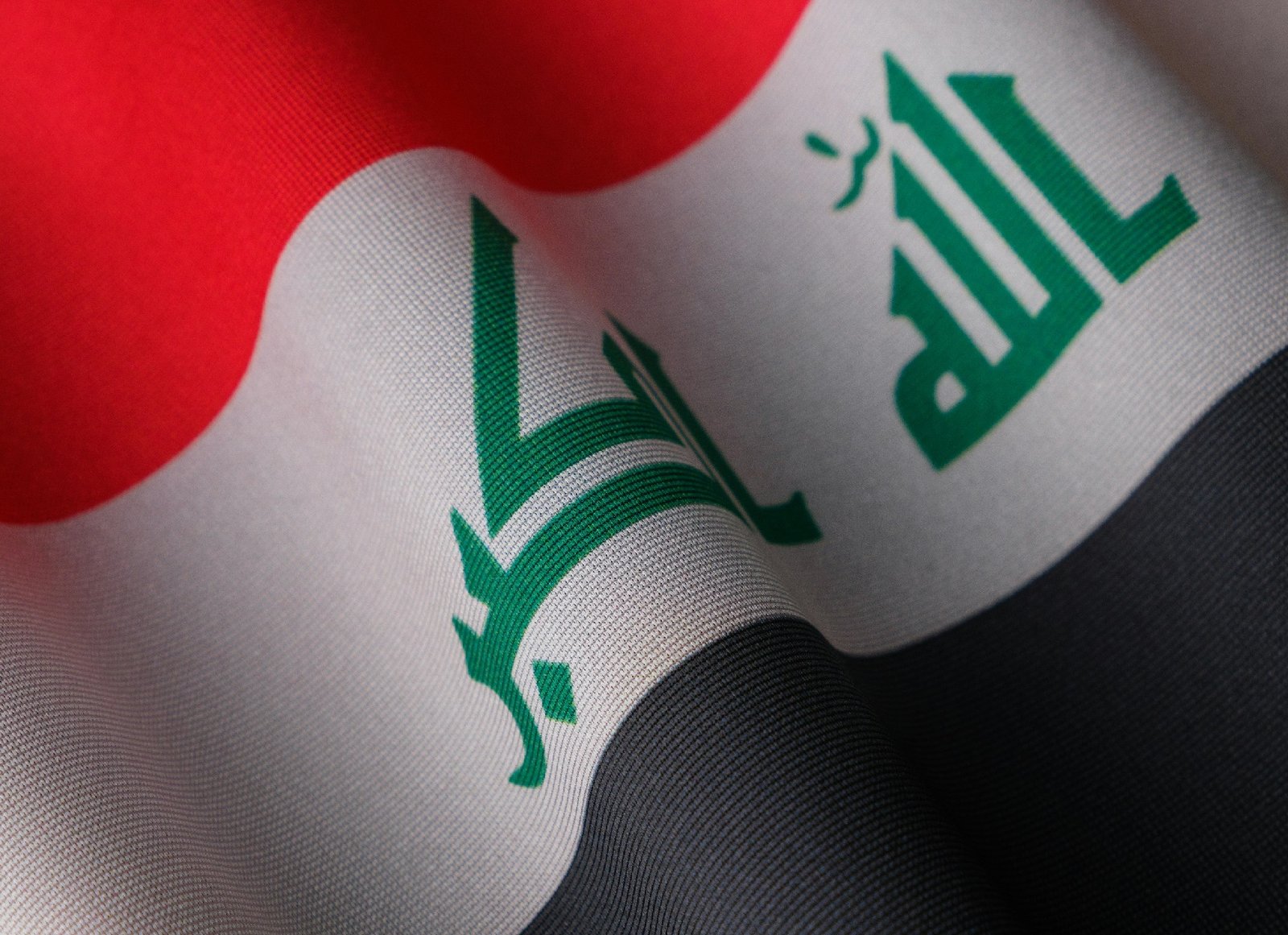
Libya, located in North Africa, has been experiencing the effects of global warming in various ways. The rise in global temperatures has led to significant changes in the country's climate, environment, and economy. From increasing temperatures and water scarcity to the rise in extreme weather events, the impacts of climate change are becoming evident in Libya. One of the most noticeable effects of global warming in Libya is the rising temperatures. The country has been experiencing hotter summers, which not only affect the daily lives of its residents but also pose challenges to agriculture and water resources. High temperatures can lead to heatwaves, which can have detrimental effects on the health of the population and put additional strain on energy systems for cooling. Another impact of global warming in Libya is the increase in water scarcity. The country is already facing water stress due to its arid climate and limited freshwater resources. With global warming leading to changes in precipitation patterns and increased evaporation rates, the availability of water is further threatened. This has implications for agriculture, sanitation, and overall water security in the country. Furthermore, global warming has been linked to the rise in extreme weather events in Libya, such as flash floods and droughts. These events can have devastating effects on communities, infrastructure, and the economy. In recent years, Libya has witnessed flash floods that caused casualties and damage to property, highlighting the vulnerability of the country to such events. The impact of global warming in Libya also extends to its economy, particularly its oil and gas industry. As a significant oil-producing country, Libya's economy is closely tied to the petroleum sector. However, the effects of climate change, such as sea-level rise and extreme weather events, can disrupt production and transportation of oil and gas resources, leading to economic instability. In response to the challenges posed by global warming, Libya, like many other countries, needs to prioritize climate adaptation and mitigation measures. This includes investing in renewable energy sources, improving water management practices, enhancing disaster preparedness, and adopting sustainable agricultural practices. Overall, global warming is a pressing issue for Libya, with far-reaching implications for its environment, economy, and society. Addressing the impacts of climate change is essential to ensure the resilience and sustainability of the country in the face of a changing climate. If you are interested you can check the following website https://www.tocongo.com Dive into the details to understand this topic thoroughly. https://www.toabudhabi.com For comprehensive coverage, check out https://www.cruzar.org this link is for more information https://www.abandonar.org Have a look at https://www.culturelle.org Uncover valuable insights in https://www.departements.org also for more info https://www.regionales.net For additional information, refer to: https://www.todamascus.com For comprehensive coverage, check out https://www.totunisia.com Take a deep dive into this topic by checking: https://www.libyainfo.com
Leave a Comment:
SEARCH
Recent News
- Zurich, Switzerland is a vibrant city known for its rich cultural scene and diverse music offerings. One unique aspect of Zurich's music scene is the presence of Sudanese music, which has found a home in the city's melting pot of cultures.
- Zurich, Switzerland is a vibrant city known for its picturesque landscapes, rich history, and diverse cultural scene. One fascinating aspect of Zurich's cultural tapestry is the influence of Sudanese culture in the city.
- Zurich, Switzerland is known for its multicultural atmosphere and diverse culinary scene. One of the lesser-known gems of Zurich's food scene is Sudanese cuisine. Sudanese cuisine is a reflection of the country's diverse cultural influences, blending Arabic, African, and Mediterranean flavors to create a unique and delicious culinary experience.
- Zurich, Switzerland, is a vibrant city known for its scenic beauty, rich history, and thriving business environment. One interesting aspect of Zurich's business landscape is the presence of Sudanese entrepreneurs who have made their mark in various industries in the city.
- Rebuilding Syria's Economy After the Dictatorship: Lessons from Zurich, Switzerland
- Zurich, Switzerland, is known for its picturesque landscapes, thriving economy, and high standard of living. However, a lesser-known aspect of this vibrant city is its commitment to human rights, especially in the post-revolution era of Syria.
- Zurich, Switzerland: A Hub for Libyan Trade
- Zurich, Switzerland is a city known for its picturesque landscapes, high quality of life, and thriving economy. Recently, Zurich has also been making headlines in the energy sector with its growing interest and investment in Libyan energy resources.
READ MORE
10 months ago Category :

Zurich, Switzerland is a vibrant city known for its rich cultural scene and diverse music offerings. One unique aspect of Zurich's music scene is the presence of Sudanese music, which has found a home in the city's melting pot of cultures.
Read More →10 months ago Category :

Zurich, Switzerland is a vibrant city known for its picturesque landscapes, rich history, and diverse cultural scene. One fascinating aspect of Zurich's cultural tapestry is the influence of Sudanese culture in the city.
Read More →10 months ago Category :

Zurich, Switzerland is known for its multicultural atmosphere and diverse culinary scene. One of the lesser-known gems of Zurich's food scene is Sudanese cuisine. Sudanese cuisine is a reflection of the country's diverse cultural influences, blending Arabic, African, and Mediterranean flavors to create a unique and delicious culinary experience.
Read More →10 months ago Category :
