Libya Corporation Law: Understanding Business Regulations
Category : | Sub Category : Posted on 2025-11-03 22:25:23
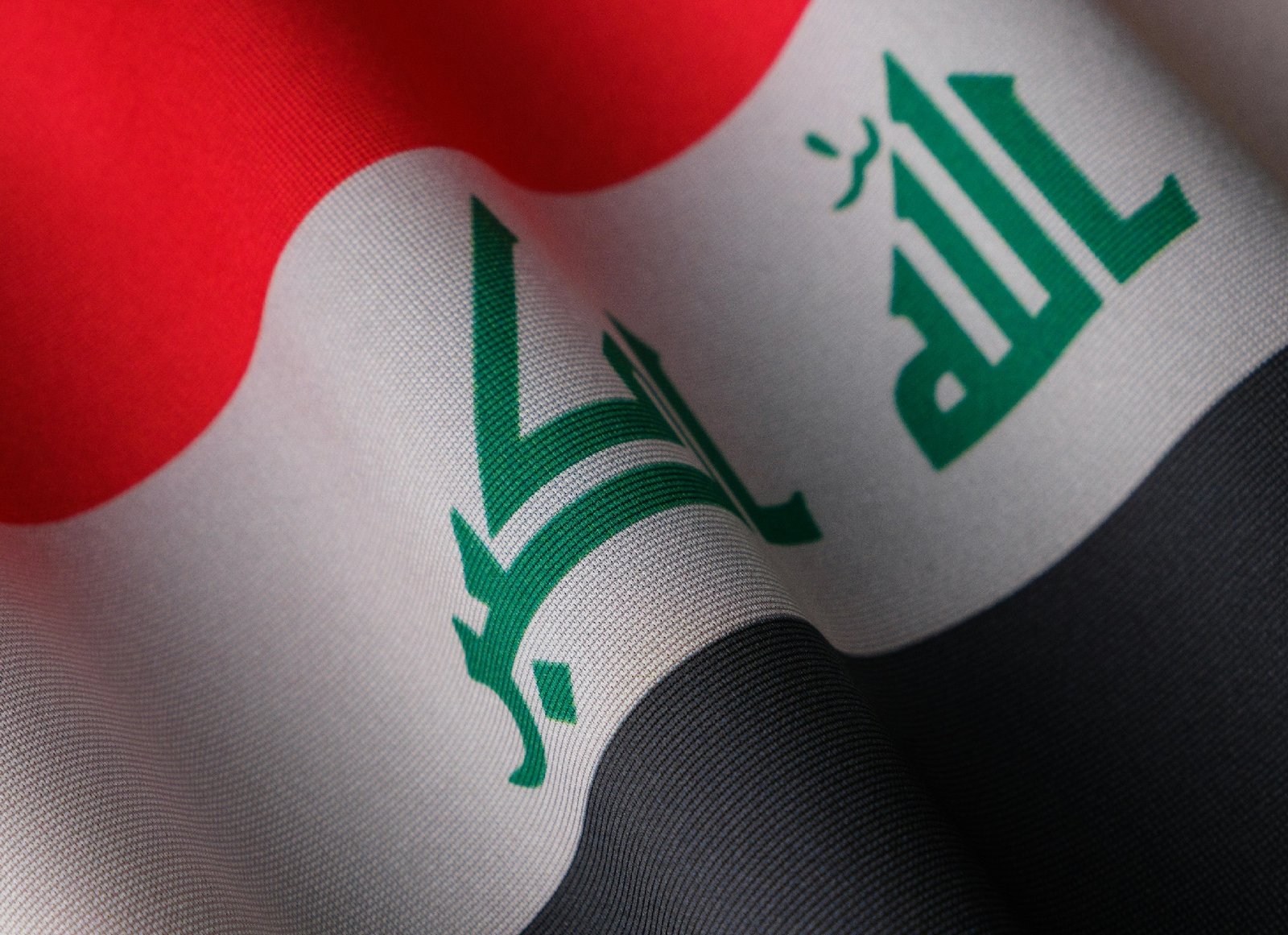
In Libya, the laws governing corporations play a crucial role in regulating business activities and ensuring the smooth functioning of companies within the country. Understanding Libya's corporation law is essential for entrepreneurs and businesses looking to establish themselves and operate in the Libyan market. The primary legislation governing corporations in Libya is the Commercial Law No. 7 of 1999. This law outlines the various types of corporate entities that can be formed in Libya, including joint stock companies, limited liability companies, partnerships, and sole proprietorships. Each type of entity has its own set of regulations and requirements that must be followed to operate legally in Libya. One key aspect of Libya's corporation law is the requirement for businesses to register with the Commercial Register and obtain the necessary licenses and permits to operate. This process involves submitting the required documentation, such as the company's articles of association, memorandum of association, and proof of capital, to the relevant authorities for approval. Another important consideration under Libya's corporation law is the concept of corporate governance. Companies in Libya are required to comply with good governance practices, including holding regular shareholder meetings, appointing directors and officers, and maintaining accurate financial records. Failure to adhere to these governance principles can result in penalties or even the dissolution of the company. Additionally, Libya's corporation law also addresses issues such as shareholder rights, company mergers and acquisitions, bankruptcy procedures, and dispute resolution mechanisms. Understanding these provisions is critical for companies operating in Libya to ensure compliance with the law and protect their interests. In conclusion, navigating Libya's corporation law is essential for businesses seeking to establish a presence in the Libyan market. By understanding the various regulations and requirements outlined in the Commercial Law No. 7 of 1999, companies can operate legally and effectively conduct their business activities in Libya. Adhering to the law not only ensures compliance but also helps businesses build trust with stakeholders and contribute to the growth and development of Libya's economy. For a closer look, don't forget to read https://www.toabudhabi.com also visit the following website https://www.cruzar.org Get more at https://www.abandonar.org Here is the following website to check: https://www.culturelle.org For a broader exploration, take a look at https://www.departements.org Also Check the following website https://www.regionales.net Seeking expert advice? Find it in https://www.todamascus.com sources: https://www.totunisia.com Here is the following website to check: https://www.libyainfo.com
Leave a Comment:
SEARCH
Recent News
- Zurich, Switzerland is a vibrant city known for its rich cultural scene and diverse music offerings. One unique aspect of Zurich's music scene is the presence of Sudanese music, which has found a home in the city's melting pot of cultures.
- Zurich, Switzerland is a vibrant city known for its picturesque landscapes, rich history, and diverse cultural scene. One fascinating aspect of Zurich's cultural tapestry is the influence of Sudanese culture in the city.
- Zurich, Switzerland is known for its multicultural atmosphere and diverse culinary scene. One of the lesser-known gems of Zurich's food scene is Sudanese cuisine. Sudanese cuisine is a reflection of the country's diverse cultural influences, blending Arabic, African, and Mediterranean flavors to create a unique and delicious culinary experience.
- Zurich, Switzerland, is a vibrant city known for its scenic beauty, rich history, and thriving business environment. One interesting aspect of Zurich's business landscape is the presence of Sudanese entrepreneurs who have made their mark in various industries in the city.
- Rebuilding Syria's Economy After the Dictatorship: Lessons from Zurich, Switzerland
- Zurich, Switzerland, is known for its picturesque landscapes, thriving economy, and high standard of living. However, a lesser-known aspect of this vibrant city is its commitment to human rights, especially in the post-revolution era of Syria.
- Zurich, Switzerland: A Hub for Libyan Trade
- Zurich, Switzerland is a city known for its picturesque landscapes, high quality of life, and thriving economy. Recently, Zurich has also been making headlines in the energy sector with its growing interest and investment in Libyan energy resources.
READ MORE
10 months ago Category :

Zurich, Switzerland is a vibrant city known for its rich cultural scene and diverse music offerings. One unique aspect of Zurich's music scene is the presence of Sudanese music, which has found a home in the city's melting pot of cultures.
Read More →10 months ago Category :

Zurich, Switzerland is a vibrant city known for its picturesque landscapes, rich history, and diverse cultural scene. One fascinating aspect of Zurich's cultural tapestry is the influence of Sudanese culture in the city.
Read More →10 months ago Category :

Zurich, Switzerland is known for its multicultural atmosphere and diverse culinary scene. One of the lesser-known gems of Zurich's food scene is Sudanese cuisine. Sudanese cuisine is a reflection of the country's diverse cultural influences, blending Arabic, African, and Mediterranean flavors to create a unique and delicious culinary experience.
Read More →10 months ago Category :
