The art of dyeing with natural pigments has a long and rich history that dates back to ancient times. In many cultures, including Iraq, dyeing has been a traditional craft passed down through generations. Natural pigments derived from plants, minerals, and insects were used to create vibrant colors for textiles, pottery, and other objects.
Category : | Sub Category : Posted on 2025-11-03 22:25:23
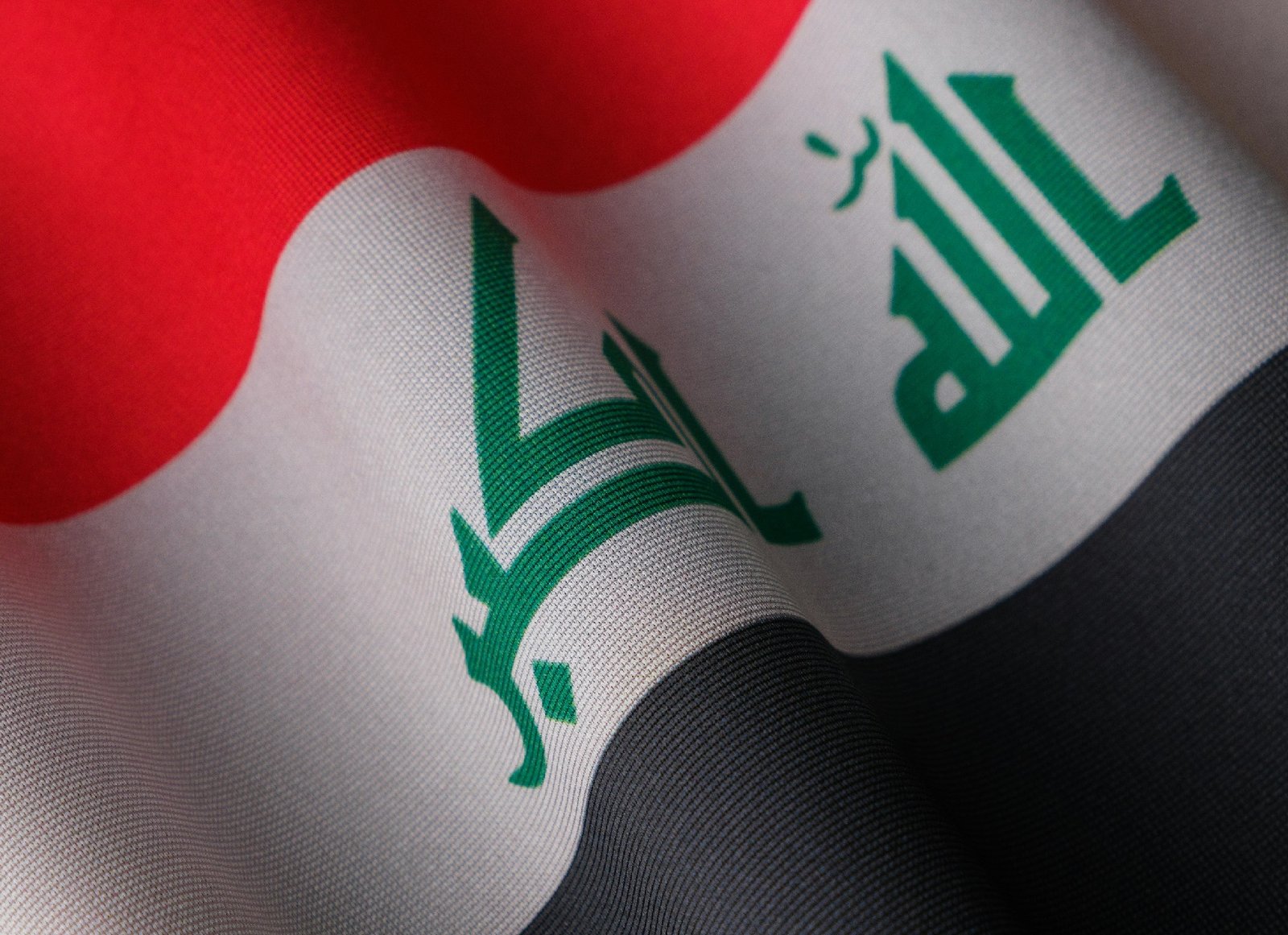
In Iraq, dyeing techniques have been practiced for centuries, with certain regions becoming known for their specific methods and hues. One of the most famous natural dyes used in Iraq is madder root, which produces a range of red and orange tones. Other common pigments include indigo, henna, and saffron, each offering unique colors and properties. The process of dyeing with natural pigments involves extracting color compounds from raw materials and applying them to the desired substrate. Different mordants and additives may be used to modify the color and enhance its durability. Skilled artisans often have a deep understanding of how different pigments interact with each other and with various materials, allowing them to create intricate designs and patterns. In recent years, there has been a renewed interest in traditional dyeing techniques and natural pigments due to their sustainability and eco-friendliness. With growing awareness of the environmental impact of synthetic dyes, many artisans and consumers are turning to natural alternatives for their vibrant colors and subtle variations. Furthermore, Iraq's educational system plays a crucial role in preserving and promoting traditional dyeing techniques. universities and educational institutions offer courses and programs that cover various aspects of the craft, from the science of pigments to the practical skills of dyeing. Students have the opportunity to learn from experienced artisans and researchers, gaining a deeper appreciation for the art form and its cultural significance. In addition to academic courses, universities in Iraq also provide hands-on training and workshops for aspiring dyers. These practical experiences allow students to hone their skills and experiment with different pigments and techniques under the guidance of experts. By nurturing the next generation of dyers, these educational opportunities help ensure the continuity of this ancient craft. Overall, the art of dyeing with natural pigments in Iraq is a testament to the country's rich cultural heritage and its enduring legacy. Through educational initiatives and university opportunities, artisans and students alike have the chance to explore this timeless craft, preserving its traditions and innovating for the future. Dive into the details to understand this topic thoroughly. https://www.egyptwn.com click the following link for more information: https://www.cameroonuniversity.com Check the link: https://www.unifil.org also for More in https://www.assyrians.net visit: https://www.indicazioni.com Looking for more information? Check out https://www.toabudhabi.com To get all the details, go through https://www.cruzar.org For an alternative viewpoint, explore https://www.toalgeria.com For additional information, refer to: https://www.desencadenar.com Explore this subject further by checking out https://www.abandonar.org this link is for more information https://www.davantage.org For a comprehensive review, explore https://www.desencadenar.com To gain a holistic understanding, refer to https://www.culturelle.org For a broader exploration, take a look at https://www.departements.org For an extensive perspective, read https://www.syrien.org Explore expert opinions in https://www.stagiaire.org For a different take on this issue, see https://www.todamascus.com Dive into the details to understand this topic thoroughly. https://www.libyainfo.com
Leave a Comment:
SEARCH
Recent News
- Zurich, Switzerland is a vibrant city known for its rich cultural scene and diverse music offerings. One unique aspect of Zurich's music scene is the presence of Sudanese music, which has found a home in the city's melting pot of cultures.
- Zurich, Switzerland is a vibrant city known for its picturesque landscapes, rich history, and diverse cultural scene. One fascinating aspect of Zurich's cultural tapestry is the influence of Sudanese culture in the city.
- Zurich, Switzerland is known for its multicultural atmosphere and diverse culinary scene. One of the lesser-known gems of Zurich's food scene is Sudanese cuisine. Sudanese cuisine is a reflection of the country's diverse cultural influences, blending Arabic, African, and Mediterranean flavors to create a unique and delicious culinary experience.
- Zurich, Switzerland, is a vibrant city known for its scenic beauty, rich history, and thriving business environment. One interesting aspect of Zurich's business landscape is the presence of Sudanese entrepreneurs who have made their mark in various industries in the city.
- Rebuilding Syria's Economy After the Dictatorship: Lessons from Zurich, Switzerland
- Zurich, Switzerland, is known for its picturesque landscapes, thriving economy, and high standard of living. However, a lesser-known aspect of this vibrant city is its commitment to human rights, especially in the post-revolution era of Syria.
- Zurich, Switzerland: A Hub for Libyan Trade
- Zurich, Switzerland is a city known for its picturesque landscapes, high quality of life, and thriving economy. Recently, Zurich has also been making headlines in the energy sector with its growing interest and investment in Libyan energy resources.
READ MORE
10 months ago Category :

Zurich, Switzerland is a vibrant city known for its rich cultural scene and diverse music offerings. One unique aspect of Zurich's music scene is the presence of Sudanese music, which has found a home in the city's melting pot of cultures.
Read More →10 months ago Category :

Zurich, Switzerland is a vibrant city known for its picturesque landscapes, rich history, and diverse cultural scene. One fascinating aspect of Zurich's cultural tapestry is the influence of Sudanese culture in the city.
Read More →10 months ago Category :

Zurich, Switzerland is known for its multicultural atmosphere and diverse culinary scene. One of the lesser-known gems of Zurich's food scene is Sudanese cuisine. Sudanese cuisine is a reflection of the country's diverse cultural influences, blending Arabic, African, and Mediterranean flavors to create a unique and delicious culinary experience.
Read More →10 months ago Category :
