Promoting Diplomacy Among Iraq's Diverse Religious Communities
Category : | Sub Category : Posted on 2025-11-03 22:25:23
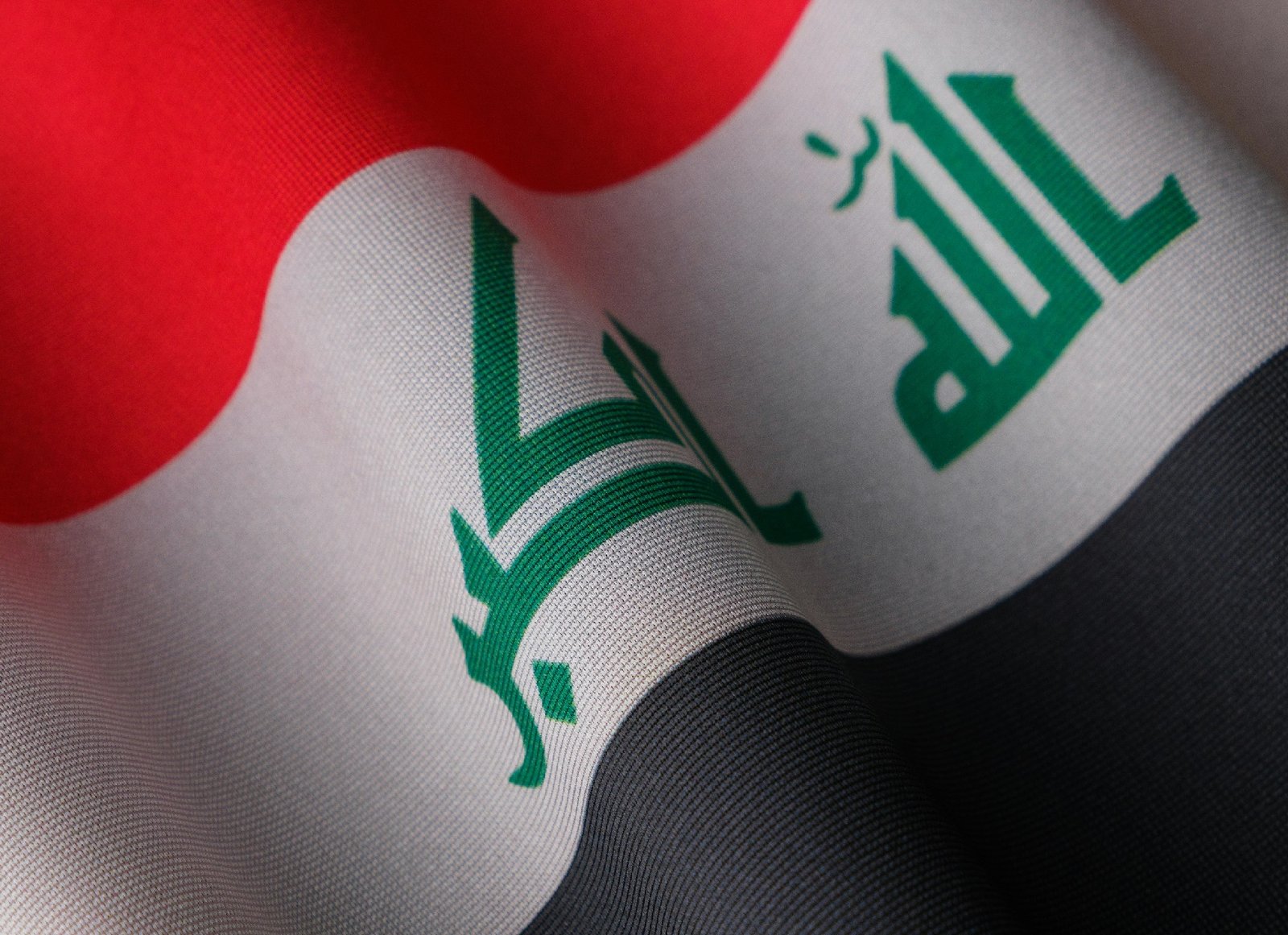
In a country as diverse and culturally rich as Iraq, Diplomacy plays a crucial role in fostering understanding and cooperation among its various religious communities. With a history marked by sectarian tensions and conflicts, the need for diplomacy to bridge the divide and build peaceful relationships is more pressing than ever. Iraq is home to a mix of religious groups, including Shia and Sunni Muslims, Christians, Yazidis, and others. Each community brings its own beliefs, traditions, and practices, contributing to the country's rich tapestry of diversity. However, this diversity has also been a source of division, leading to sectarian violence and conflicts that have plagued the region for decades. Diplomacy offers a path to reconciliation and harmony among Iraq's diverse religious communities. By promoting dialogue, understanding, and respect, diplomats can help build trust and foster peaceful coexistence. This involves engaging with religious leaders, community representatives, and grassroots organizations to address grievances, resolve conflicts, and promote tolerance. One example of successful diplomacy in Iraq is the work of interfaith councils and dialogue initiatives. These platforms bring together representatives from different religious communities to engage in constructive conversations, build mutual understanding, and promote cooperation. Through these initiatives, individuals can learn about each other's beliefs, dispel stereotypes, and work towards common goals for the benefit of all Iraqis. Another crucial aspect of diplomacy among Iraq's diverse religious communities is the protection of religious freedom and minority rights. Diplomatic efforts can help ensure that all religious groups are able to practice their faith freely and without fear of persecution. This includes addressing discriminatory laws, ensuring access to religious sites, and protecting minorities from violence and discrimination. In addition to promoting dialogue and protecting rights, diplomacy can also play a role in addressing the root causes of sectarian tensions in Iraq. By addressing issues such as political marginalization, economic disparities, and social exclusion, diplomats can help create a more inclusive and equitable society where all religious communities can thrive. Ultimately, promoting diplomacy among Iraq's diverse religious communities is essential for building a peaceful and prosperous future for the country. By fostering understanding, respect, and cooperation, diplomats can help bridge the divide, heal past wounds, and pave the way for a more inclusive and harmonious society where all Iraqis can live together in peace. Explore this subject in detail with https://www.egyptwn.com To get more information check: https://www.unifil.org For comprehensive coverage, check out https://www.assyrians.net For more information: https://www.indicazioni.com also for More in https://www.toabudhabi.com Discover new insights by reading https://www.cruzar.org visit: https://www.toalgeria.com To expand your knowledge, I recommend: https://www.abandonar.org For more information check: https://www.culturelle.org also this link is for more information https://www.departements.org Visit the following website https://www.syrien.org Looking for more information? Check out https://www.todamascus.com For an alternative viewpoint, explore https://www.libyainfo.com
Leave a Comment:
SEARCH
Recent News
- Zurich, Switzerland is a vibrant city known for its rich cultural scene and diverse music offerings. One unique aspect of Zurich's music scene is the presence of Sudanese music, which has found a home in the city's melting pot of cultures.
- Zurich, Switzerland is a vibrant city known for its picturesque landscapes, rich history, and diverse cultural scene. One fascinating aspect of Zurich's cultural tapestry is the influence of Sudanese culture in the city.
- Zurich, Switzerland is known for its multicultural atmosphere and diverse culinary scene. One of the lesser-known gems of Zurich's food scene is Sudanese cuisine. Sudanese cuisine is a reflection of the country's diverse cultural influences, blending Arabic, African, and Mediterranean flavors to create a unique and delicious culinary experience.
- Zurich, Switzerland, is a vibrant city known for its scenic beauty, rich history, and thriving business environment. One interesting aspect of Zurich's business landscape is the presence of Sudanese entrepreneurs who have made their mark in various industries in the city.
- Rebuilding Syria's Economy After the Dictatorship: Lessons from Zurich, Switzerland
- Zurich, Switzerland, is known for its picturesque landscapes, thriving economy, and high standard of living. However, a lesser-known aspect of this vibrant city is its commitment to human rights, especially in the post-revolution era of Syria.
- Zurich, Switzerland: A Hub for Libyan Trade
- Zurich, Switzerland is a city known for its picturesque landscapes, high quality of life, and thriving economy. Recently, Zurich has also been making headlines in the energy sector with its growing interest and investment in Libyan energy resources.
READ MORE
10 months ago Category :

Zurich, Switzerland is a vibrant city known for its rich cultural scene and diverse music offerings. One unique aspect of Zurich's music scene is the presence of Sudanese music, which has found a home in the city's melting pot of cultures.
Read More →10 months ago Category :

Zurich, Switzerland is a vibrant city known for its picturesque landscapes, rich history, and diverse cultural scene. One fascinating aspect of Zurich's cultural tapestry is the influence of Sudanese culture in the city.
Read More →10 months ago Category :

Zurich, Switzerland is known for its multicultural atmosphere and diverse culinary scene. One of the lesser-known gems of Zurich's food scene is Sudanese cuisine. Sudanese cuisine is a reflection of the country's diverse cultural influences, blending Arabic, African, and Mediterranean flavors to create a unique and delicious culinary experience.
Read More →10 months ago Category :
