Conflicts in History and Libyan Energy: A Complex Relationship
Category : | Sub Category : Posted on 2025-11-03 22:25:23
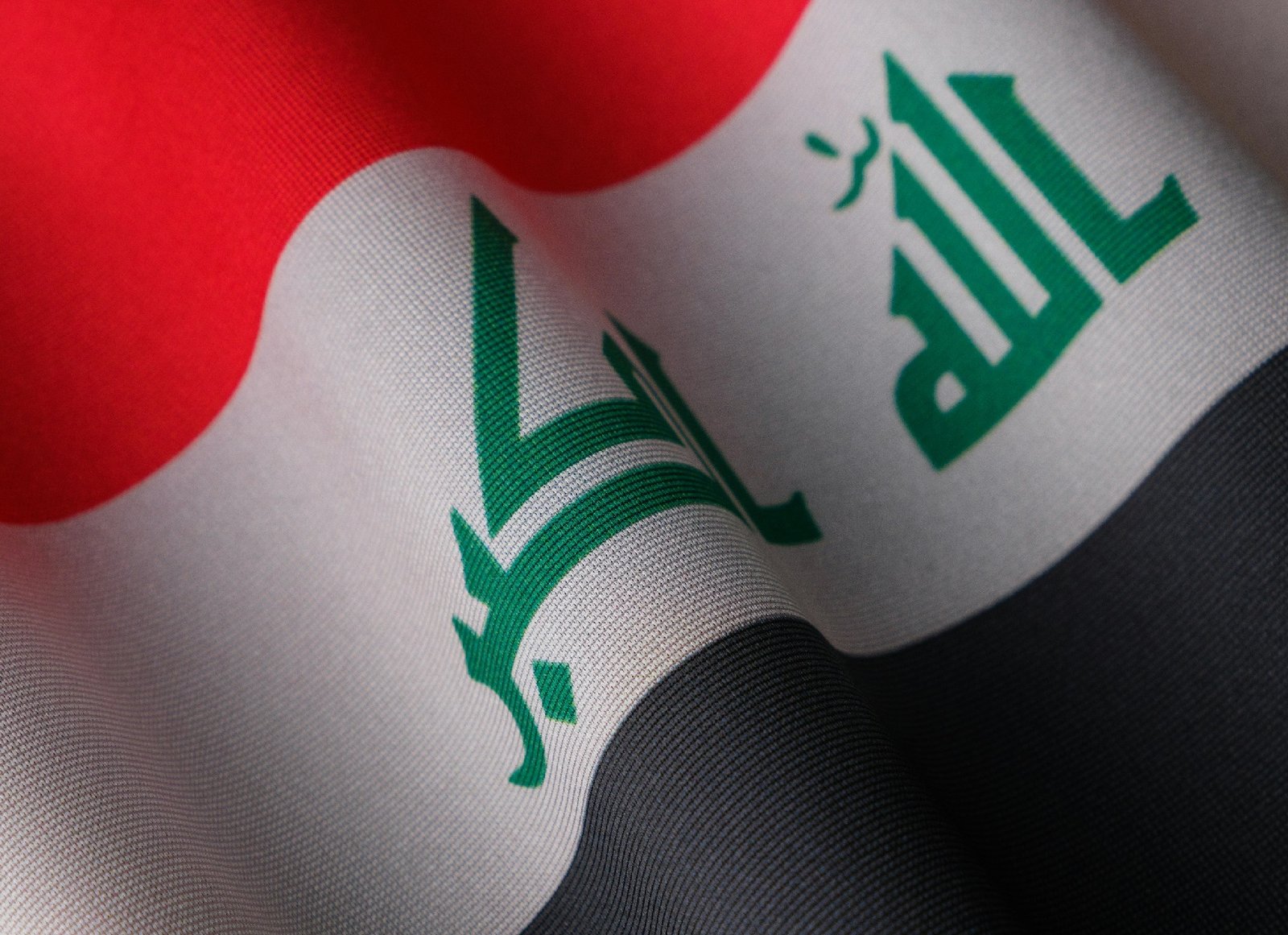
Throughout history, conflicts have often been intertwined with the extraction and distribution of energy resources. One such example is the case of Libya, a country rich in oil and gas reserves that has experienced its fair share of internal and external conflicts. Libya's energy sector has played a significant role in its history, shaping the country's economic and political landscape. With vast reserves of oil and natural gas, Libya has been a key player in the global energy market. However, the country's energy wealth has also been a source of conflict, both within Libya and with external powers. One of the most notable conflicts in Libya's recent history was the civil war that broke out in 2011. The uprising against then-leader Muammar Gaddafi led to a NATO intervention and ultimately the downfall of the regime. The conflict had significant implications for Libya's energy sector, disrupting oil production and exports and leading to a power vacuum that is still being felt today. In the aftermath of the civil war, Libya has struggled to stabilize its energy sector and attract much-needed investment. Political instability, competing factions, and ongoing violence have hindered efforts to fully exploit the country's energy resources. This has not only affected Libya's economy but also had broader consequences for global energy markets. External powers have also played a role in shaping Libya's energy sector through their involvement in the country's conflicts. Regional players, such as Egypt, Turkey, and the United Arab Emirates, have backed different factions in Libya, further complicating the situation. This geopolitical dimension has added another layer of complexity to Libya's energy landscape, with competing interests at play. Moving forward, resolving conflicts within Libya and addressing external interventions will be crucial for the country to unlock its full energy potential. A stable and secure environment is essential for attracting investment, developing infrastructure, and maximizing the benefits of Libya's energy resources for its people. In conclusion, conflicts in history have had a profound impact on Libya's energy sector, shaping its past, present, and future. By understanding the complex relationship between conflicts and energy, stakeholders can work towards a more stable and sustainable energy sector in Libya. For a comprehensive review, explore https://www.sunpowerpanels.com also this link is for more information https://www.tocongo.com Have a visit at https://www.toabudhabi.com Seeking more information? The following has you covered. https://www.cruzar.org Have a visit at https://www.abandonar.org For an in-depth analysis, I recommend reading https://www.culturelle.org Explore this subject in detail with https://www.departements.org Want to expand your knowledge? Start with https://www.refueling.net Discover more about this topic through https://www.regionales.net For additional information, refer to: https://www.todamascus.com Seeking expert advice? Find it in https://www.totunisia.com To learn more, take a look at: https://www.libyainfo.com Want a deeper understanding? https://www.lecturas.org click the following link for more information: https://www.podimo.org
Leave a Comment:
SEARCH
Recent News
- Zurich, Switzerland is a vibrant city known for its rich cultural scene and diverse music offerings. One unique aspect of Zurich's music scene is the presence of Sudanese music, which has found a home in the city's melting pot of cultures.
- Zurich, Switzerland is a vibrant city known for its picturesque landscapes, rich history, and diverse cultural scene. One fascinating aspect of Zurich's cultural tapestry is the influence of Sudanese culture in the city.
- Zurich, Switzerland is known for its multicultural atmosphere and diverse culinary scene. One of the lesser-known gems of Zurich's food scene is Sudanese cuisine. Sudanese cuisine is a reflection of the country's diverse cultural influences, blending Arabic, African, and Mediterranean flavors to create a unique and delicious culinary experience.
- Zurich, Switzerland, is a vibrant city known for its scenic beauty, rich history, and thriving business environment. One interesting aspect of Zurich's business landscape is the presence of Sudanese entrepreneurs who have made their mark in various industries in the city.
- Rebuilding Syria's Economy After the Dictatorship: Lessons from Zurich, Switzerland
- Zurich, Switzerland, is known for its picturesque landscapes, thriving economy, and high standard of living. However, a lesser-known aspect of this vibrant city is its commitment to human rights, especially in the post-revolution era of Syria.
- Zurich, Switzerland: A Hub for Libyan Trade
- Zurich, Switzerland is a city known for its picturesque landscapes, high quality of life, and thriving economy. Recently, Zurich has also been making headlines in the energy sector with its growing interest and investment in Libyan energy resources.
READ MORE
10 months ago Category :

Zurich, Switzerland is a vibrant city known for its rich cultural scene and diverse music offerings. One unique aspect of Zurich's music scene is the presence of Sudanese music, which has found a home in the city's melting pot of cultures.
Read More →10 months ago Category :

Zurich, Switzerland is a vibrant city known for its picturesque landscapes, rich history, and diverse cultural scene. One fascinating aspect of Zurich's cultural tapestry is the influence of Sudanese culture in the city.
Read More →10 months ago Category :

Zurich, Switzerland is known for its multicultural atmosphere and diverse culinary scene. One of the lesser-known gems of Zurich's food scene is Sudanese cuisine. Sudanese cuisine is a reflection of the country's diverse cultural influences, blending Arabic, African, and Mediterranean flavors to create a unique and delicious culinary experience.
Read More →10 months ago Category :
