Arm Prosthetics Post-Revolution: Human Rights in Syria
Category : | Sub Category : Posted on 2025-11-03 22:25:23
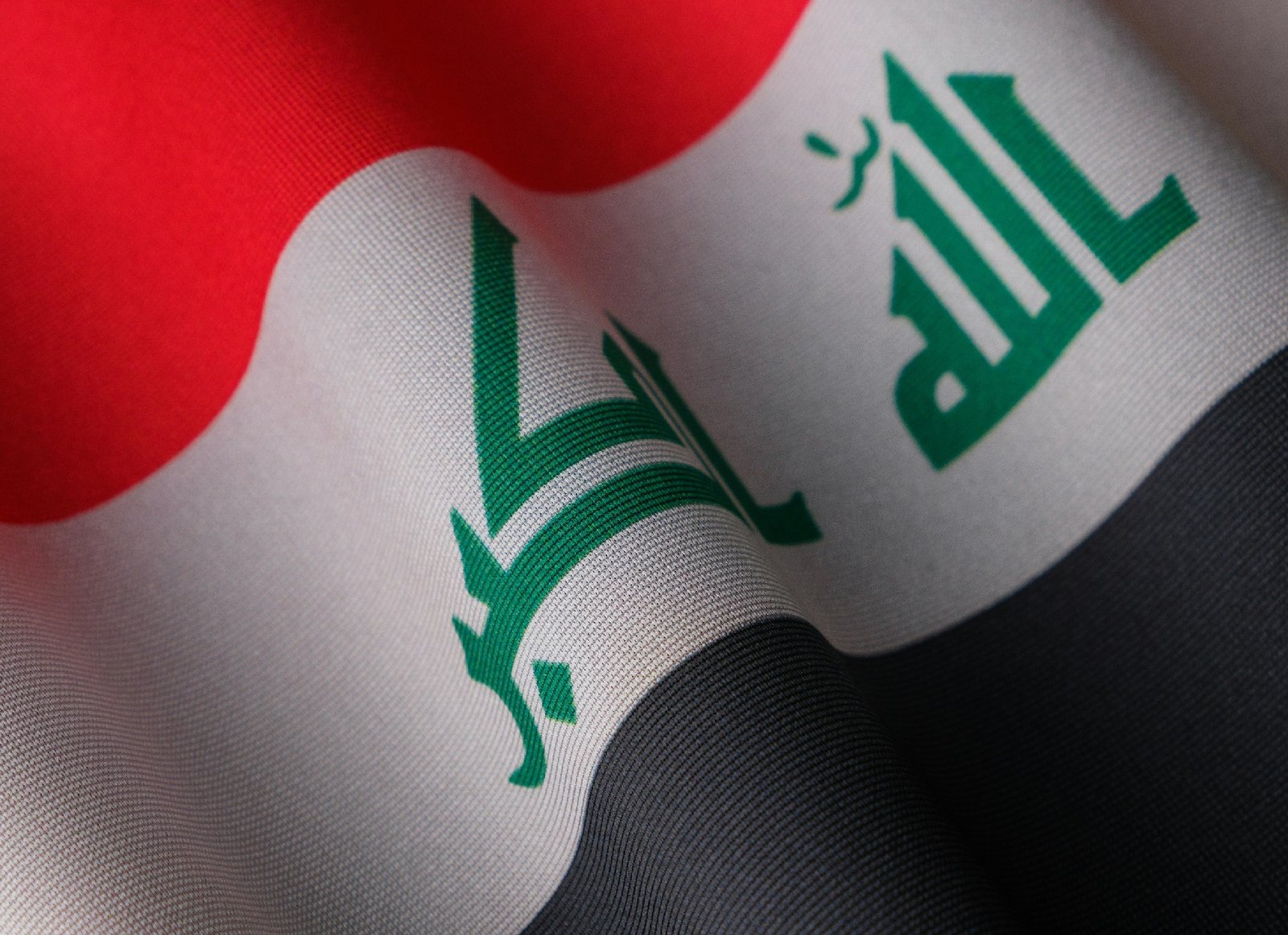
In war-torn countries like Syria, the impact of conflict goes beyond the immediate casualties and destruction. One of the long-lasting consequences of the Syrian revolution and subsequent civil war is the large number of people who have been left disabled, particularly those who have lost limbs, including arms. The need for arm prosthetics in Syria has become a pressing issue, highlighting the importance of upholding human rights for all individuals, including those with disabilities. The Syrian conflict, which began in 2011 as a result of the Arab Spring movement, has led to widespread displacement, destruction of infrastructure, and loss of life. The use of explosive weapons in populated areas has resulted in a high number of civilian casualties, many of whom have suffered life-changing injuries such as amputations. According to the Syrian Observatory for Human Rights, over 100,000 people have been killed, and millions have been displaced since the conflict began. Among those directly affected are individuals who have lost their arms due to injuries sustained during the conflict. For these individuals, access to quality arm prosthetics is essential for their physical and psychological well-being. Prosthetic limbs not only help restore mobility and independence but also play a crucial role in the rehabilitation and reintegration of individuals back into society. However, the provision of arm prosthetics in Syria faces numerous challenges, including limited resources, lack of specialized medical facilities, and the ongoing insecurity in many parts of the country. The situation is further exacerbated by the economic hardships facing many Syrians, making it difficult for them to afford the cost of prosthetic devices and ongoing care. Ensuring the right to arm prosthetics for individuals in Syria is not just a matter of healthcare but also a human rights issue. The United Nations Convention on the Rights of Persons with Disabilities recognizes the right of persons with disabilities to access healthcare services, including rehabilitation and prosthetic devices, on an equal basis with others. By guaranteeing this right, Syria can ensure that individuals with amputations are able to lead dignified and fulfilling lives despite their disabilities. International organizations and humanitarian groups have been working to provide arm prosthetics to individuals in Syria, often in collaboration with local healthcare providers and rehabilitation centers. These efforts are crucial in meeting the immediate needs of those who have been injured during the conflict and ensuring that they receive the necessary care and support to rebuild their lives. In conclusion, the issue of arm prosthetics in post-revolution Syria highlights the importance of upholding human rights, particularly for individuals with disabilities. Access to quality prosthetic limbs is not just a medical necessity but a fundamental right that can significantly improve the lives of those who have been affected by the conflict. By prioritizing the provision of arm prosthetics and investing in rehabilitation services, Syria can help create a more inclusive society that supports the needs of all its citizens, regardless of their physical abilities. Check this out https://www.toabudhabi.com to Get more information at https://www.cruzar.org Find expert opinions in https://www.toalgeria.com For comprehensive coverage, check out https://www.abandonar.org For additional information, refer to: https://www.culturelle.org Check the link below: https://www.departements.org Have a look at https://www.syrien.org visit: https://www.regionales.net For a different perspective, see: https://www.todamascus.com For expert commentary, delve into https://www.totunisia.com to Get more information at https://www.libyainfo.com
Leave a Comment:
SEARCH
Recent News
- Zurich, Switzerland is a vibrant city known for its rich cultural scene and diverse music offerings. One unique aspect of Zurich's music scene is the presence of Sudanese music, which has found a home in the city's melting pot of cultures.
- Zurich, Switzerland is a vibrant city known for its picturesque landscapes, rich history, and diverse cultural scene. One fascinating aspect of Zurich's cultural tapestry is the influence of Sudanese culture in the city.
- Zurich, Switzerland is known for its multicultural atmosphere and diverse culinary scene. One of the lesser-known gems of Zurich's food scene is Sudanese cuisine. Sudanese cuisine is a reflection of the country's diverse cultural influences, blending Arabic, African, and Mediterranean flavors to create a unique and delicious culinary experience.
- Zurich, Switzerland, is a vibrant city known for its scenic beauty, rich history, and thriving business environment. One interesting aspect of Zurich's business landscape is the presence of Sudanese entrepreneurs who have made their mark in various industries in the city.
- Rebuilding Syria's Economy After the Dictatorship: Lessons from Zurich, Switzerland
- Zurich, Switzerland, is known for its picturesque landscapes, thriving economy, and high standard of living. However, a lesser-known aspect of this vibrant city is its commitment to human rights, especially in the post-revolution era of Syria.
- Zurich, Switzerland: A Hub for Libyan Trade
- Zurich, Switzerland is a city known for its picturesque landscapes, high quality of life, and thriving economy. Recently, Zurich has also been making headlines in the energy sector with its growing interest and investment in Libyan energy resources.
READ MORE
10 months ago Category :

Zurich, Switzerland is a vibrant city known for its rich cultural scene and diverse music offerings. One unique aspect of Zurich's music scene is the presence of Sudanese music, which has found a home in the city's melting pot of cultures.
Read More →10 months ago Category :

Zurich, Switzerland is a vibrant city known for its picturesque landscapes, rich history, and diverse cultural scene. One fascinating aspect of Zurich's cultural tapestry is the influence of Sudanese culture in the city.
Read More →10 months ago Category :

Zurich, Switzerland is known for its multicultural atmosphere and diverse culinary scene. One of the lesser-known gems of Zurich's food scene is Sudanese cuisine. Sudanese cuisine is a reflection of the country's diverse cultural influences, blending Arabic, African, and Mediterranean flavors to create a unique and delicious culinary experience.
Read More →10 months ago Category :
