Libya, situated in North Africa, has a significant role in the African banking and finance sector. The country has a well-developed banking system that plays a crucial role in driving economic growth and development. In this blog post, we will explore the landscape of Libyan banking and finance, shedding light on key aspects such as the regulatory environment, major players in the industry, and recent developments.
Category : | Sub Category : Posted on 2025-11-03 22:25:23
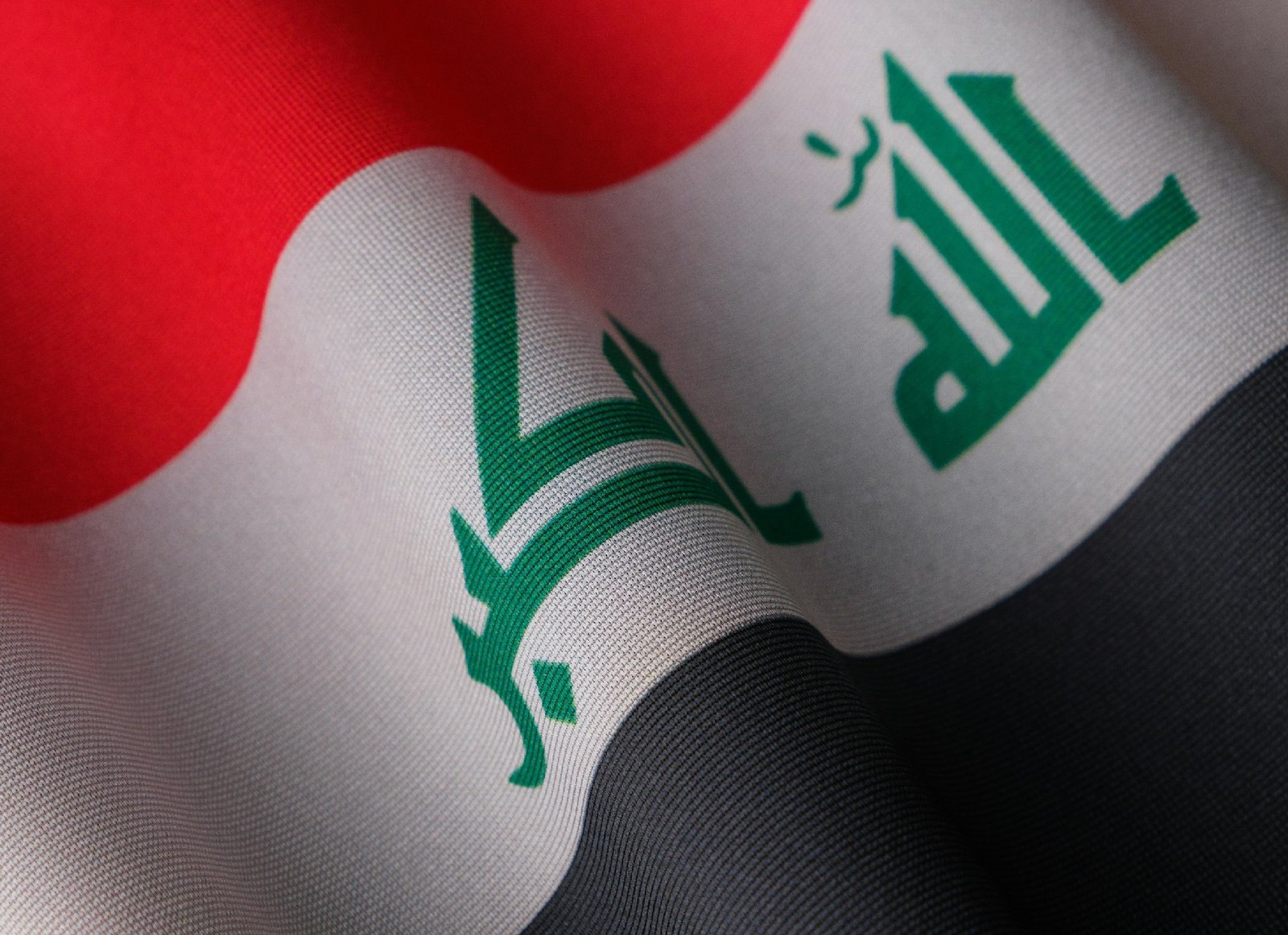
The Central Bank of Libya (CBL) serves as the central monetary authority in the country, overseeing the operations of commercial banks and financial institutions. The CBL plays a pivotal role in setting monetary policy, regulating the banking sector, and maintaining stability in the financial system. It also supervises and monitors financial institutions to ensure compliance with regulations and safeguard the interests of depositors and investors. The Libyan banking sector comprises a mix of state-owned and private banks, offering a range of financial services to individuals, businesses, and government entities. Some of the prominent banks in Libya include the Libyan Foreign Bank, the North Africa Bank, and the Sahara Bank. These institutions provide various services such as deposit accounts, loans, trade finance, and foreign exchange services to meet the diverse needs of their customers. In recent years, the Libyan banking and finance sector has faced challenges due to the country's political and economic instability. The civil unrest and conflict have disrupted business operations, hampered economic growth, and raised concerns about the safety of investments. Despite these challenges, efforts are being made to revitalize the banking sector and restore investor confidence. To promote financial stability and enhance the resilience of the banking system, the CBL has implemented regulatory reforms and initiatives. These measures aim to improve governance practices, enhance risk management capabilities, and strengthen capital adequacy requirements for banks. Moreover, the introduction of electronic banking services and digital payment solutions has helped modernize the financial sector and enhance access to financial services for the population. Looking ahead, the Libyan banking and finance sector holds potential for growth and expansion, supported by the country's rich natural resources, strategic location, and untapped market opportunities. By addressing the challenges, leveraging technology, and fostering a conducive business environment, Libya can unlock its financial potential and contribute to the broader economic development of the region. In conclusion, Libyan banking and finance sector plays a vital role in the country's economy, providing essential financial services and driving economic growth. Despite facing challenges, efforts are underway to strengthen the regulatory framework, enhance risk management practices, and promote financial inclusion. With the right strategies and policies in place, Libya can harness its financial sector's potential and pave the way for sustainable development and prosperity. Take a deep dive into this topic by checking: https://www.indicazioni.com More about this subject in https://www.tonigeria.com For comprehensive coverage, check out https://www.tocongo.com Want a deeper understanding? https://www.toabudhabi.com You can also check following website for more information about this subject: https://www.cruzar.org Get a comprehensive view with https://www.abandonar.org For an extensive perspective, read https://www.culturelle.org Get a comprehensive view with https://www.departements.org For a different angle, consider what the following has to say. https://www.regionales.net also for more info https://www.todamascus.com Explore expert opinions in https://www.totunisia.com For more information: https://www.libyainfo.com
Leave a Comment:
SEARCH
Recent News
- Zurich, Switzerland is a vibrant city known for its rich cultural scene and diverse music offerings. One unique aspect of Zurich's music scene is the presence of Sudanese music, which has found a home in the city's melting pot of cultures.
- Zurich, Switzerland is a vibrant city known for its picturesque landscapes, rich history, and diverse cultural scene. One fascinating aspect of Zurich's cultural tapestry is the influence of Sudanese culture in the city.
- Zurich, Switzerland is known for its multicultural atmosphere and diverse culinary scene. One of the lesser-known gems of Zurich's food scene is Sudanese cuisine. Sudanese cuisine is a reflection of the country's diverse cultural influences, blending Arabic, African, and Mediterranean flavors to create a unique and delicious culinary experience.
- Zurich, Switzerland, is a vibrant city known for its scenic beauty, rich history, and thriving business environment. One interesting aspect of Zurich's business landscape is the presence of Sudanese entrepreneurs who have made their mark in various industries in the city.
- Rebuilding Syria's Economy After the Dictatorship: Lessons from Zurich, Switzerland
- Zurich, Switzerland, is known for its picturesque landscapes, thriving economy, and high standard of living. However, a lesser-known aspect of this vibrant city is its commitment to human rights, especially in the post-revolution era of Syria.
- Zurich, Switzerland: A Hub for Libyan Trade
- Zurich, Switzerland is a city known for its picturesque landscapes, high quality of life, and thriving economy. Recently, Zurich has also been making headlines in the energy sector with its growing interest and investment in Libyan energy resources.
READ MORE
10 months ago Category :

Zurich, Switzerland is a vibrant city known for its rich cultural scene and diverse music offerings. One unique aspect of Zurich's music scene is the presence of Sudanese music, which has found a home in the city's melting pot of cultures.
Read More →10 months ago Category :

Zurich, Switzerland is a vibrant city known for its picturesque landscapes, rich history, and diverse cultural scene. One fascinating aspect of Zurich's cultural tapestry is the influence of Sudanese culture in the city.
Read More →10 months ago Category :

Zurich, Switzerland is known for its multicultural atmosphere and diverse culinary scene. One of the lesser-known gems of Zurich's food scene is Sudanese cuisine. Sudanese cuisine is a reflection of the country's diverse cultural influences, blending Arabic, African, and Mediterranean flavors to create a unique and delicious culinary experience.
Read More →10 months ago Category :
