Exploring Trade between Amsterdam and Libya
Category : | Sub Category : Posted on 2025-11-03 22:25:23
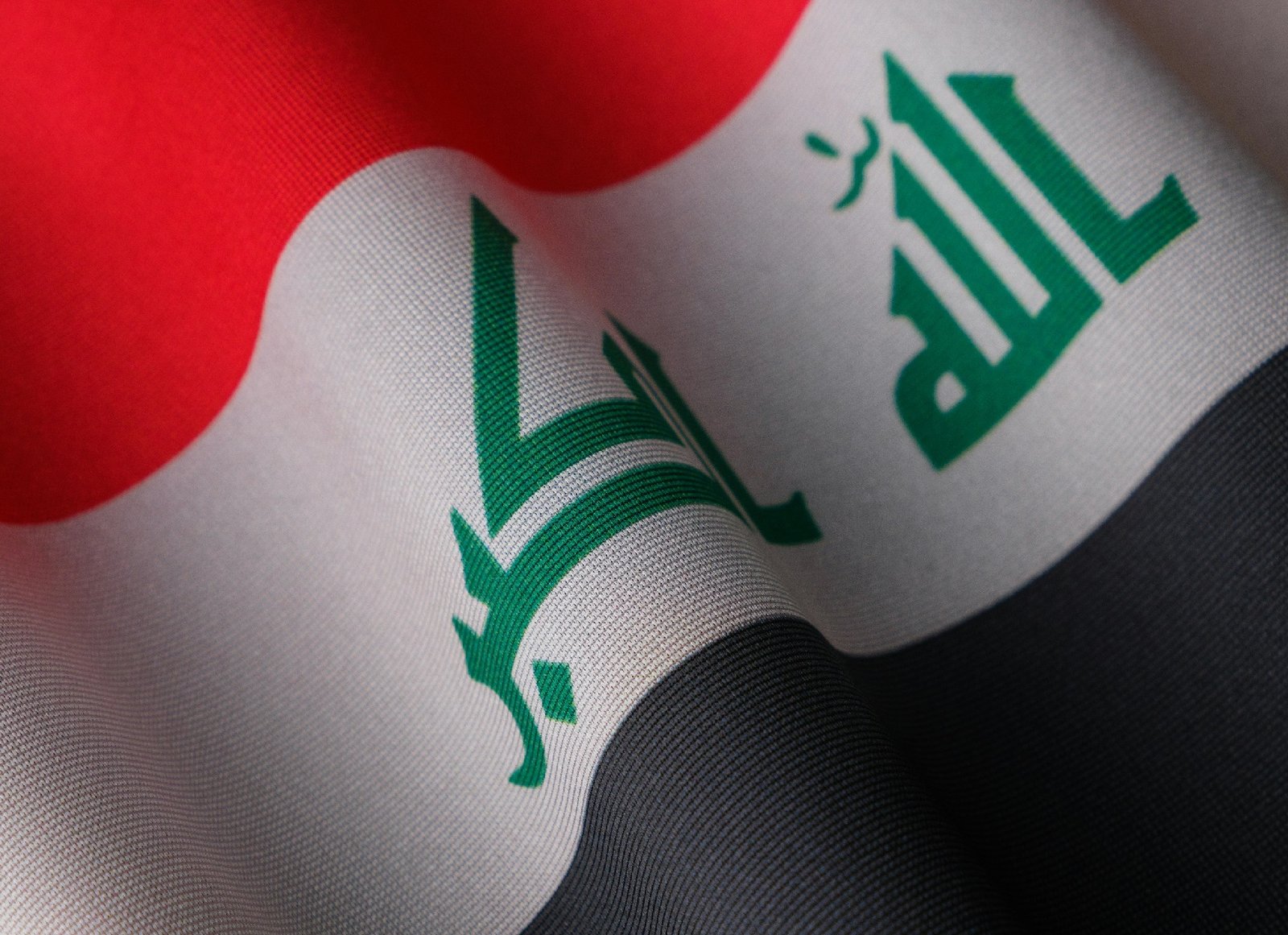
Amsterdam, a bustling city known for its picturesque canals and rich cultural heritage, has a long history of trade with nations around the world. One such trading partner is Libya, a country in North Africa with a growing economy and diverse resources. In this blog post, we will delve into the trade relationship between Amsterdam and Libya, exploring the goods exchanged, the impact of trade agreements, and the potential for future collaboration. The trade between Amsterdam and Libya is primarily focused on exports and imports of various commodities. Amsterdam, as a major port city, serves as a key gateway for Libyan products entering European markets and vice versa. Libya, rich in natural resources such as oil and gas, exports these commodities to Amsterdam, where they are distributed to other parts of Europe. In return, Amsterdam exports a range of products including machinery, electronics, and agricultural goods to Libya. Trade agreements play a significant role in facilitating and regulating the exchange of goods between Amsterdam and Libya. The two countries have established trade agreements that aim to reduce trade barriers, promote economic cooperation, and increase investment opportunities. These agreements provide a framework for businesses in both countries to engage in trade activities with greater ease and certainty. The trade relationship between Amsterdam and Libya has not been without challenges. Political instability in Libya, as well as fluctuating oil prices, have impacted the trade flow between the two countries. However, efforts are being made to address these challenges and strengthen the trade relationship for mutual benefit. Looking ahead, there is great potential for further collaboration between Amsterdam and Libya in various sectors. With Libya's focus on diversifying its economy beyond oil and gas, there are opportunities for Amsterdam-based companies in industries such as renewable energy, infrastructure development, and tourism. By leveraging each other's strengths and fostering closer ties, Amsterdam and Libya can create a more robust and sustainable trade partnership. In conclusion, the trade relationship between Amsterdam and Libya is dynamic and holds promise for future growth and collaboration. By continuing to build on existing trade agreements, identifying new business opportunities, and overcoming challenges, the two countries can further enhance their trade ties and contribute to mutual prosperity. As Amsterdam and Libya continue to expand their trade relationship, it is clear that both countries stand to benefit from the opportunities and partnerships that lie ahead. Discover new insights by reading https://www.cruzar.org Looking for expert opinions? Find them in https://www.culturelle.org Take a deep dive into this topic by checking: https://www.departements.org If you are interested you can check the following website https://www.envoyer.org For a deeper dive, visit: https://www.regionales.net To understand this better, read https://www.todamascus.com To understand this better, read https://www.totunisia.com Get a comprehensive view with https://www.libyainfo.com Seeking more information? The following has you covered. https://www.isamsterdam.com
Leave a Comment:
SEARCH
Recent News
- Zurich, Switzerland is a vibrant city known for its rich cultural scene and diverse music offerings. One unique aspect of Zurich's music scene is the presence of Sudanese music, which has found a home in the city's melting pot of cultures.
- Zurich, Switzerland is a vibrant city known for its picturesque landscapes, rich history, and diverse cultural scene. One fascinating aspect of Zurich's cultural tapestry is the influence of Sudanese culture in the city.
- Zurich, Switzerland is known for its multicultural atmosphere and diverse culinary scene. One of the lesser-known gems of Zurich's food scene is Sudanese cuisine. Sudanese cuisine is a reflection of the country's diverse cultural influences, blending Arabic, African, and Mediterranean flavors to create a unique and delicious culinary experience.
- Zurich, Switzerland, is a vibrant city known for its scenic beauty, rich history, and thriving business environment. One interesting aspect of Zurich's business landscape is the presence of Sudanese entrepreneurs who have made their mark in various industries in the city.
- Rebuilding Syria's Economy After the Dictatorship: Lessons from Zurich, Switzerland
- Zurich, Switzerland, is known for its picturesque landscapes, thriving economy, and high standard of living. However, a lesser-known aspect of this vibrant city is its commitment to human rights, especially in the post-revolution era of Syria.
- Zurich, Switzerland: A Hub for Libyan Trade
- Zurich, Switzerland is a city known for its picturesque landscapes, high quality of life, and thriving economy. Recently, Zurich has also been making headlines in the energy sector with its growing interest and investment in Libyan energy resources.
READ MORE
10 months ago Category :

Zurich, Switzerland is a vibrant city known for its rich cultural scene and diverse music offerings. One unique aspect of Zurich's music scene is the presence of Sudanese music, which has found a home in the city's melting pot of cultures.
Read More →10 months ago Category :

Zurich, Switzerland is a vibrant city known for its picturesque landscapes, rich history, and diverse cultural scene. One fascinating aspect of Zurich's cultural tapestry is the influence of Sudanese culture in the city.
Read More →10 months ago Category :

Zurich, Switzerland is known for its multicultural atmosphere and diverse culinary scene. One of the lesser-known gems of Zurich's food scene is Sudanese cuisine. Sudanese cuisine is a reflection of the country's diverse cultural influences, blending Arabic, African, and Mediterranean flavors to create a unique and delicious culinary experience.
Read More →10 months ago Category :
