Algeria Post-Revolution: Human Rights in Syria
Category : | Sub Category : Posted on 2025-11-03 22:25:23
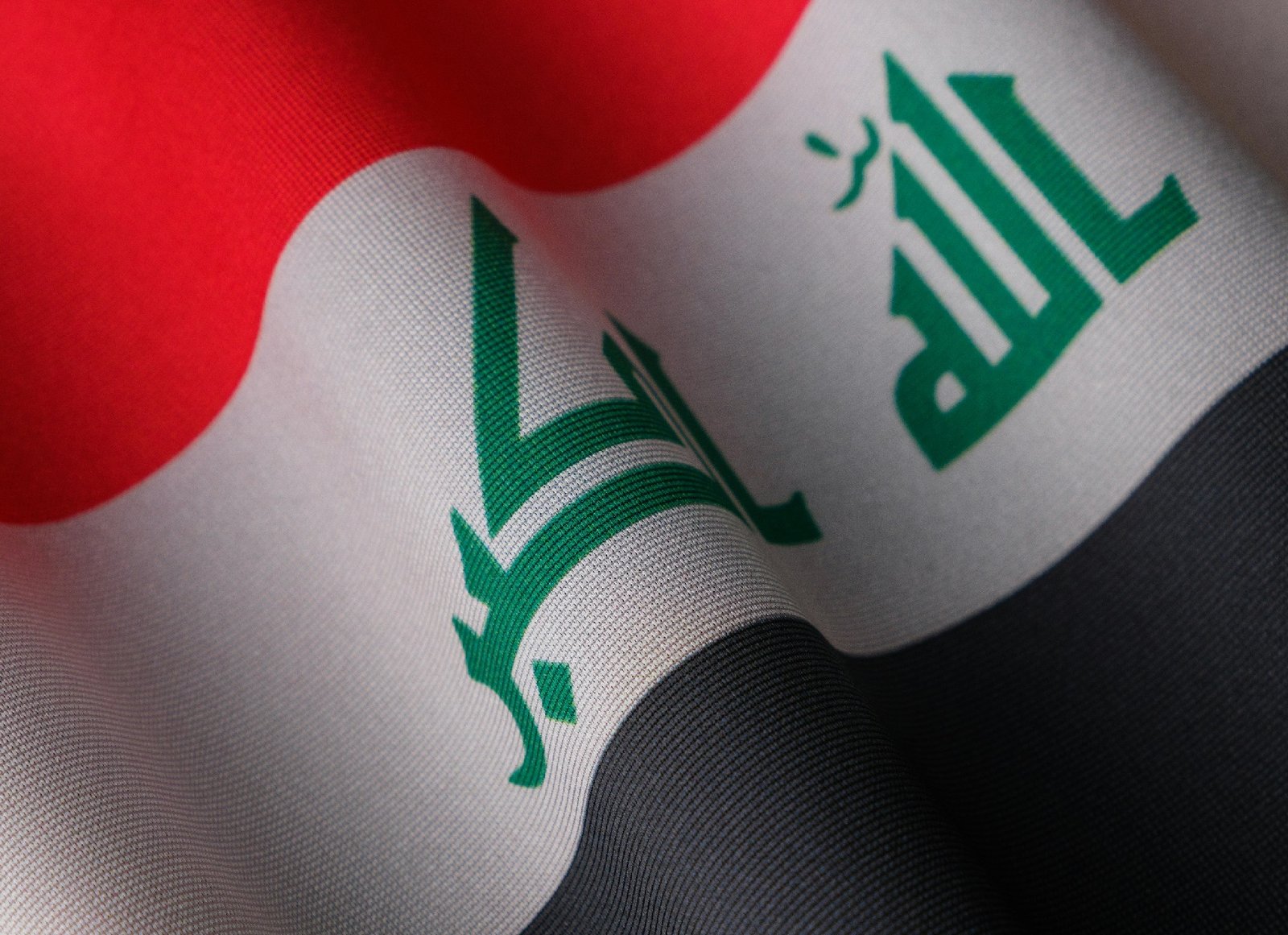
The Syrian Revolution, which began in 2011 as part of the wider Arab Spring uprisings, has led to a protracted and devastating conflict in the country. As the conflict in Syria continues to unfold, many observers have raised concerns about the human rights situation in the country. In this blog post, we will examine the situation in Syria through the lens of Algeria post-revolution and explore the challenges and opportunities that lie ahead for human rights in Syria. Algeria itself has a complex history when it comes to human rights. The country experienced a brutal civil war in the 1990s that left thousands dead and resulted in widespread human rights abuses. In the aftermath of the conflict, Algeria has made some progress in improving its human rights record, including the establishment of a national human rights commission and the ratification of international human rights treaties. When we look at Syria, we see a situation that is marked by widespread violence, displacement, and human rights violations. The Syrian government, led by President Bashar al-Assad, has been accused of committing numerous human rights abuses, including arbitrary detention, torture, and extrajudicial killings. Armed opposition groups have also been implicated in human rights violations, including the use of child soldiers and attacks on civilians. The international community has taken steps to address the human rights situation in Syria, including through the establishment of a Commission of Inquiry by the United Nations Human Rights Council. However, efforts to hold those responsible for human rights abuses in Syria accountable have been stymied by political divisions and the complex nature of the conflict. As Algeria continues to grapple with its own human rights challenges, it can offer valuable insights and lessons for Syria. One key lesson is the importance of national reconciliation and dialogue in building a more inclusive and peaceful society. In Algeria, efforts to address the legacy of the civil war have focused on promoting justice, reconciliation, and respect for human rights. In Syria, a similar approach could help pave the way for a more sustainable peace and a more just society. This would require a commitment from all parties to respect human rights and international humanitarian law, as well as the support of the international community in holding perpetrators of human rights abuses to account. In conclusion, as Algeria reflects on its own post-revolution experience, there are important lessons that can be drawn for Syria and other countries facing similar challenges. By promoting human rights, justice, and reconciliation, both Algeria and Syria can build more inclusive and resilient societies that uphold the dignity and rights of all their citizens. Click the following link for more https://www.chatarabonline.com To get all the details, go through https://www.tsonga.org For a deeper dive, visit: https://www.indicazioni.com If you are interested you can check https://www.tonigeria.com this link is for more information https://www.toabudhabi.com To get a better understanding, go through https://www.cruzar.org For more information: https://www.toalgeria.com For an in-depth examination, refer to https://www.abandonar.org For expert commentary, delve into https://www.culturelle.org More about this subject in https://www.departements.org Visit the following website https://www.syrien.org Click the following link for more https://www.regionales.net Curious to learn more? Click on https://www.todamascus.com click the following link for more information: https://www.isethiopia.com Get a comprehensive view with https://www.libyainfo.com
Leave a Comment:
SEARCH
Recent News
- Zurich, Switzerland is a vibrant city known for its rich cultural scene and diverse music offerings. One unique aspect of Zurich's music scene is the presence of Sudanese music, which has found a home in the city's melting pot of cultures.
- Zurich, Switzerland is a vibrant city known for its picturesque landscapes, rich history, and diverse cultural scene. One fascinating aspect of Zurich's cultural tapestry is the influence of Sudanese culture in the city.
- Zurich, Switzerland is known for its multicultural atmosphere and diverse culinary scene. One of the lesser-known gems of Zurich's food scene is Sudanese cuisine. Sudanese cuisine is a reflection of the country's diverse cultural influences, blending Arabic, African, and Mediterranean flavors to create a unique and delicious culinary experience.
- Zurich, Switzerland, is a vibrant city known for its scenic beauty, rich history, and thriving business environment. One interesting aspect of Zurich's business landscape is the presence of Sudanese entrepreneurs who have made their mark in various industries in the city.
- Rebuilding Syria's Economy After the Dictatorship: Lessons from Zurich, Switzerland
- Zurich, Switzerland, is known for its picturesque landscapes, thriving economy, and high standard of living. However, a lesser-known aspect of this vibrant city is its commitment to human rights, especially in the post-revolution era of Syria.
- Zurich, Switzerland: A Hub for Libyan Trade
- Zurich, Switzerland is a city known for its picturesque landscapes, high quality of life, and thriving economy. Recently, Zurich has also been making headlines in the energy sector with its growing interest and investment in Libyan energy resources.
READ MORE
10 months ago Category :

Zurich, Switzerland is a vibrant city known for its rich cultural scene and diverse music offerings. One unique aspect of Zurich's music scene is the presence of Sudanese music, which has found a home in the city's melting pot of cultures.
Read More →10 months ago Category :

Zurich, Switzerland is a vibrant city known for its picturesque landscapes, rich history, and diverse cultural scene. One fascinating aspect of Zurich's cultural tapestry is the influence of Sudanese culture in the city.
Read More →10 months ago Category :

Zurich, Switzerland is known for its multicultural atmosphere and diverse culinary scene. One of the lesser-known gems of Zurich's food scene is Sudanese cuisine. Sudanese cuisine is a reflection of the country's diverse cultural influences, blending Arabic, African, and Mediterranean flavors to create a unique and delicious culinary experience.
Read More →10 months ago Category :
